

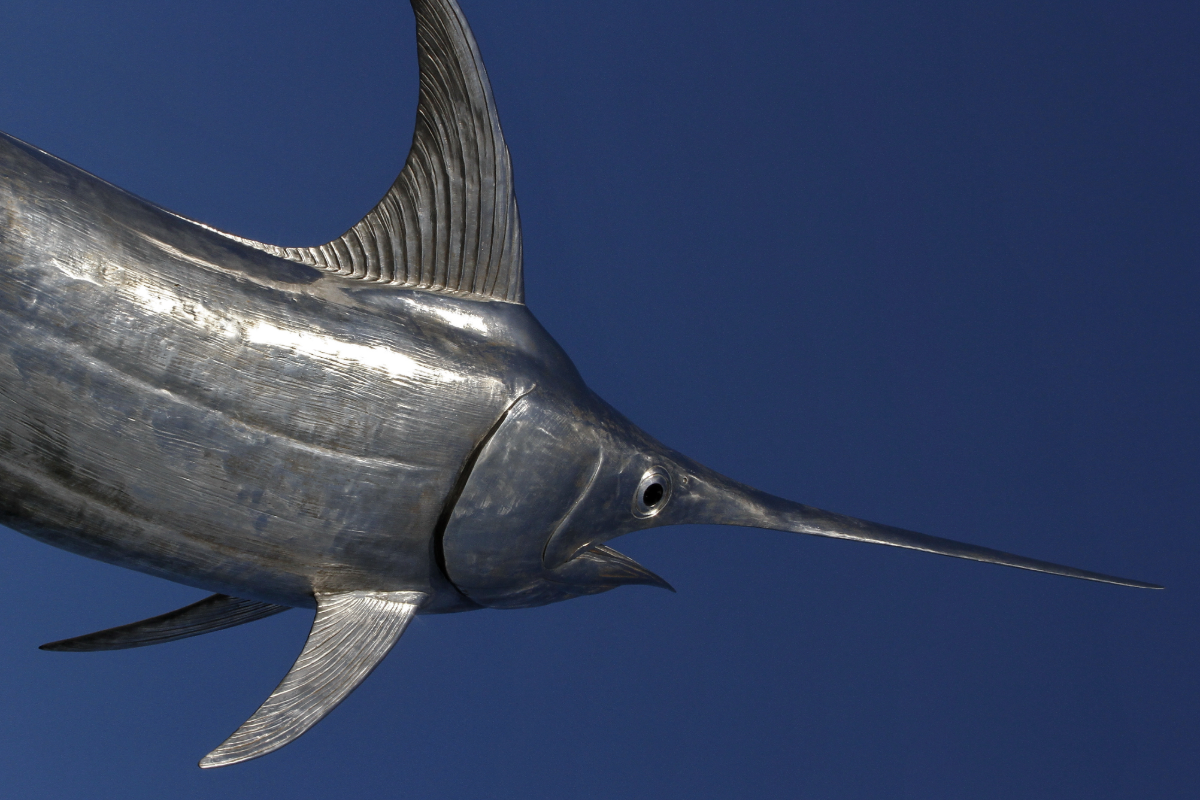
Kashiko Exports’ loyal fleet of boats fish in the pristine waters of the Mid-Atlantic Bight- home to some of the most sought-after and delectable seafood in the world, notably Atlantic Tuna and Swordfish. Beyond their exquisite taste, these majestic creatures possess another intriguing trait: they harbor fewer parasites compared to their warm-water counterparts.
The core of this divergence lies in the stark environmental contrast between cold and warm water habitats. Thriving in the cooler waters of the North and Mid-Atlantic, Atlantic Tuna and Swordfish face inherently different ecological pressures than their warm water counterparts- where many imported fish are harvested. Parasites, organisms thriving in specific temperature ranges, find the warmer waters of tropical regions more hospitable. Consequently, warm-water fish tend to carry a heavier parasite load.
Temperature plays a pivotal role in the life cycles of parasites. Warmer waters accelerate the development and proliferation of various parasite species, including nematodes, trematodes, and protozoa. These parasites often utilize intermediate hosts, such as crustaceans and small fish, to complete their life cycles before infecting larger predatory species like tuna and swordfish. The abundance of these intermediate hosts in tropical waters contributes to the higher prevalence of parasites in warm-water fish.
Conversely, the colder temperatures of the Mid and North Atlantic act as natural barriers against parasite proliferation. The life cycles of many parasites are slowed or halted in these cooler waters, reducing their prevalence in the ecosystem. Additionally, the migratory behavior of Atlantic tuna and swordfish further minimizes their exposure to potential hosts, effectively lowering their risk of parasitic infestation.

Furthermore, the vastness of the Atlantic Ocean and its comparatively lower human population density contribute to its cleanliness. Pollution and human-related activities, which are prevalent in densely populated coastal areas, can exacerbate parasite transmission by disrupting ecological balances and introducing contaminants into marine environments. As a result, Atlantic tuna and swordfish enjoy a cleaner habitat, further reducing their susceptibility to parasitic infections.
The dietary habits of these apex predators also play a role in their relatively low parasite burden. Tuna and swordfish predominantly feed on fast-moving pelagic species, which are less likely to harbor parasites compared to the fish or organisms that live on or near the bottom of the ocean in warmer waters. By targeting prey from the open ocean, these predatory fish minimize their exposure to potential parasite hosts, effectively reducing their risk of infection.
Moreover, the sustainable fishing practices of the Mid and North Atlantic contribute to the overall health and purity of its marine ecosystems. The utilization of circle hooks to reduce gut-hooked fish, and minimize bycatch, helps maintain ecological balance and preserve the integrity of Atlantic tuna and swordfish populations. By safeguarding the health of these species and their habitats, fisheries management indirectly contributes to reducing parasite prevalence in the region.
The comparatively lower parasite burden observed in Atlantic tuna and swordfish is a testament to the complex interplay of environmental, ecological, and human factors. The cooler temperatures, cleaner waters, and predatory behavior characteristic of the Mid and North Atlantic create an inhospitable environment for parasites, thereby safeguarding the purity of these iconic species, allowing us to provide you with the freshest and healthiest fish.

