


Over 30 years ago, after earning a degree in Marine Biology, Kimberley Levins embarked on a career in the longline tuna industry by exporting top-of-the-line Bluefin, Bigeye, and Yellowfin Tuna to the famed tuna auction at Tsukiji Fish Market in Tokyo, Japan. When forwarding these coveted fish, Kim would include a personalized note which she simply signed かしこ,キム “Kashiko, Kim” meaning respectfully yours. In 1999 Kim founded Kashiko Exports using that signature phrase which is now synonymous with Kashiko Exports. Using sustainable fishing practices, Kashiko Exports supplies a range of high-value pelagic fish to American wholesale and retail clients.
Years ago, Japan’s world-renowned Tsukiji Fish Market gave us our name by requesting more “Kashiko Fish”. Now Kashiko is proud to offer our Tokyo-quality fish to you.
Kashiko’s Fleet of East Coast Boats
For over two decades, Kashiko Exports has been working side-by-side with a loyal network of family-owned and operated, pelagic long-line boats. These sustainable fishing boats are often captained by generations of family members who fish up and down the eastern seaboard. Our decades-long working relationships have created a unique system of operations that preserves the supreme freshness of our fish, resulting in products that maximize shelf-life. Our fishermen work hard to deliver the finest fresh fish available and are an integral part of the Kashiko Team.
Reliable and Client- Focused
Kashiko takes great pride in our small and hardworking operation. We are easily accessible to our clients via mobile any time- seven days a week. We follow our fleet up and down the Atlantic coast, carefully grade and hand select our fish right on the docks- then ship directly from the dock within hours of offloading. No warehousing ensures that you receive the freshest fish available. Our strong attention to detail helps us to hone in on the specific needs of each of our valued customers. Our clients have remained loyal to us for years because they trust Kashiko to provide them with high-quality fish.
Proud of our Sustainable Fishing Practices
Kashiko Exports proudly works alongside State and Federal governments to create more efficient fishing practices that protect the balance of our ecosystems. USA pelagic long-line fishing vessels abide by stringent fishing standards which include fishing with circle hooks, and hosting United States Government Observers on our fishing vessels- to observe and document ecologically sound fishing practices.
The United States of America leads the world in sustainable fishing methods.
The United States commercial fishing industry is one of the most highly regulated industries in the world- far surpassing other countries that produce (imported) fish based on subsidies from their governments to influence their respective Gross National Incomes (GNI), and are not yet on par with the USA’s sustainable fishing practices.
American Pelagic Longline fishing vessels abide by Government regulations which require hosting United States Government observers on the fishing vessels, the installation of Government monitored cameras on each fishing vessel to ensure accountability, licensing for each species being caught, completion of extensive reporting, attending ongoing education (such as Shark Identification workshops and Sea Turtle School, to protect marine life) and fishing exclusively with circle hooks to preserve sea life. Where these sustainable, eco-friendly measures add to the cost of producing domestic fish, it is a necessary investment to protect our marine ecosystems ensuring the viability of a healthy source of nourishment.
Kashiko Exports prides itself in working with State and Federal Governments, as well as, international organizations that actively participate in implementing sustainable fishing practices.
Kashiko is dedicated to working with the International Commission for the Conservation of Atlantic Tunas (ICCAT), the National Oceanic and Atmospheric Association (NOAA), the National Marine Fisheries Service (NMFS), the Blue Water Fisherman’s Association (BWFA), and related entities to create more efficient fishing practices that protect sea life and revitalize our waters.
The diagram below illustrates that fishing with circle hooks greatly increases the survivability of fish once they are released back into the water.
Circle Hook
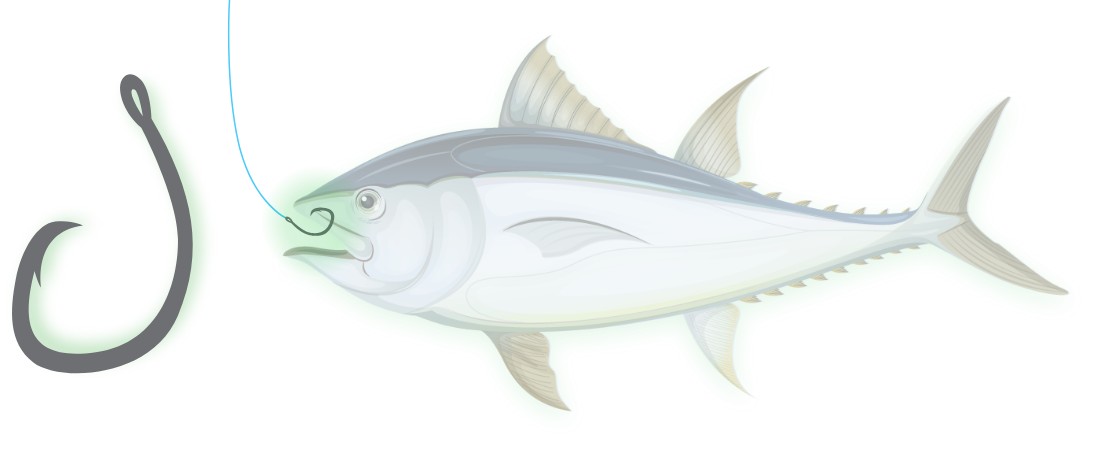
Circle hooks increases the survivability of fish released back into the water.
J Hook
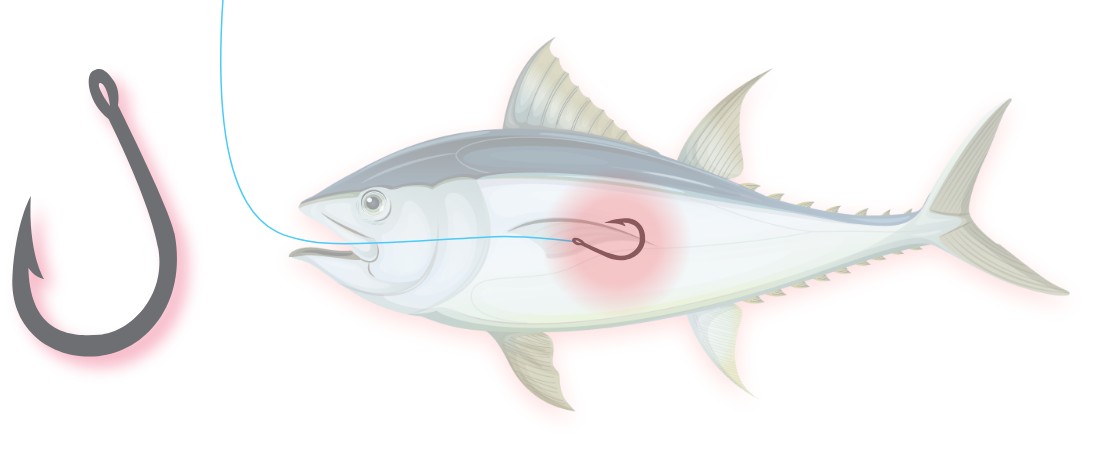
“J” hooks increase risk of engaging in the mouth of the fish
Our Process is Simple, but Our Product is Exceptional
The stages of Kashiko Exports sustainable fishing from catch to delivery.

From the sea
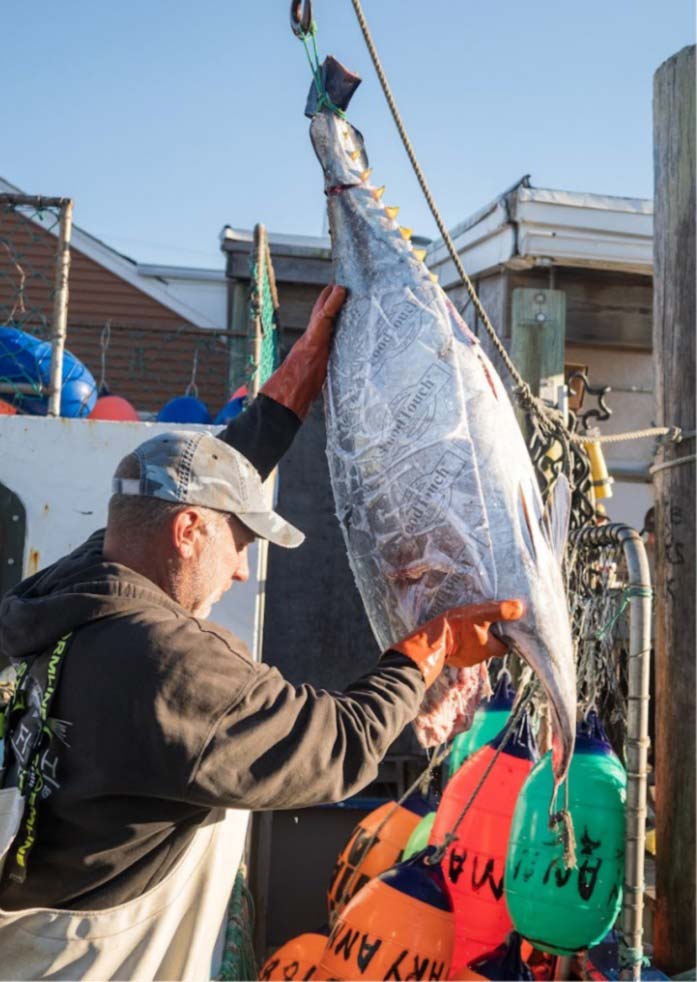
Off the boat
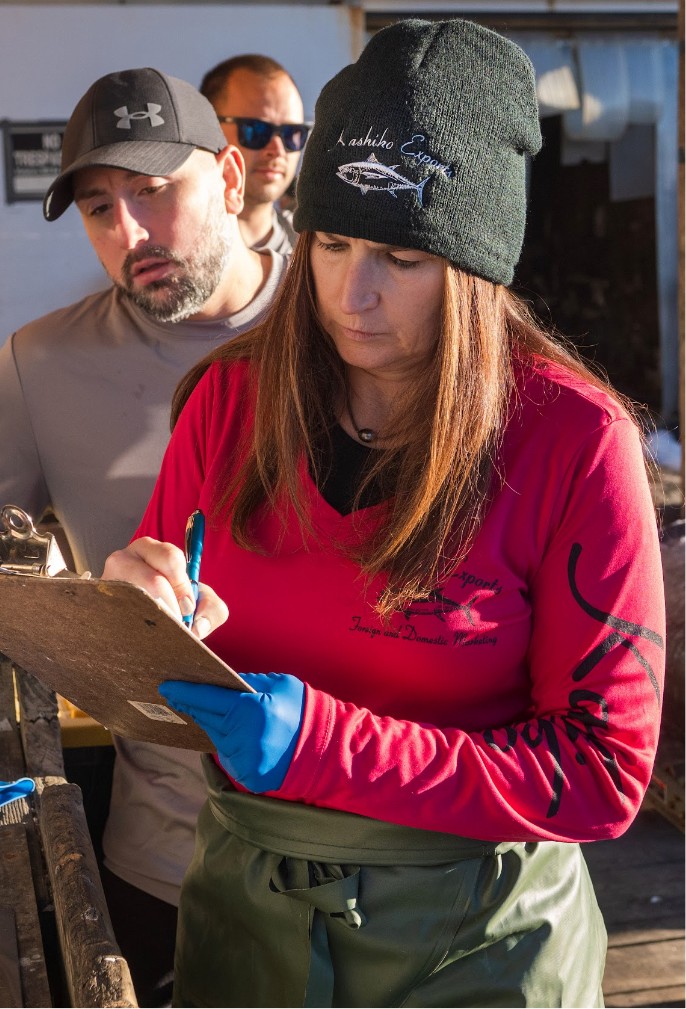
Processing Orders

Happy clients
